Apex Cardiology

Varicose Vein Ablations

A minimally invasive procedure that treats varicose veins by closing off damaged veins and improving blood flow.
Invasive Procedure

Endovenous Radiofrequency Ablation for Varicose Veins

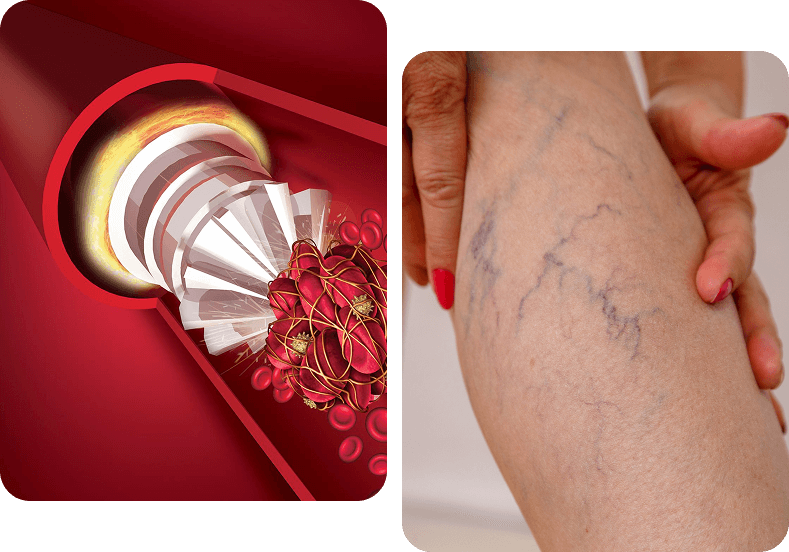
Endovenous radio-frequency ablation is a minimally invasive procedure performed to seal varicose veins (enlarged leg veins) with heat generated from radiofrequency energy. After the varicose veins are sealed, blood starts flowing immediately to the healthy veins. Veins consist of one-way valves which prevents backflow of blood in the legs. Varicose veins are a result of blood accumulating in the veins of the legs due to leakage in the one-way valves.

Indications

Endovenous radio-frequency ablation is most commonly used to relieve symptoms of varicose veins. Symptoms include swelling, inflamed veins, discoloration, pain, skin irritation or ulceration.

Procedure

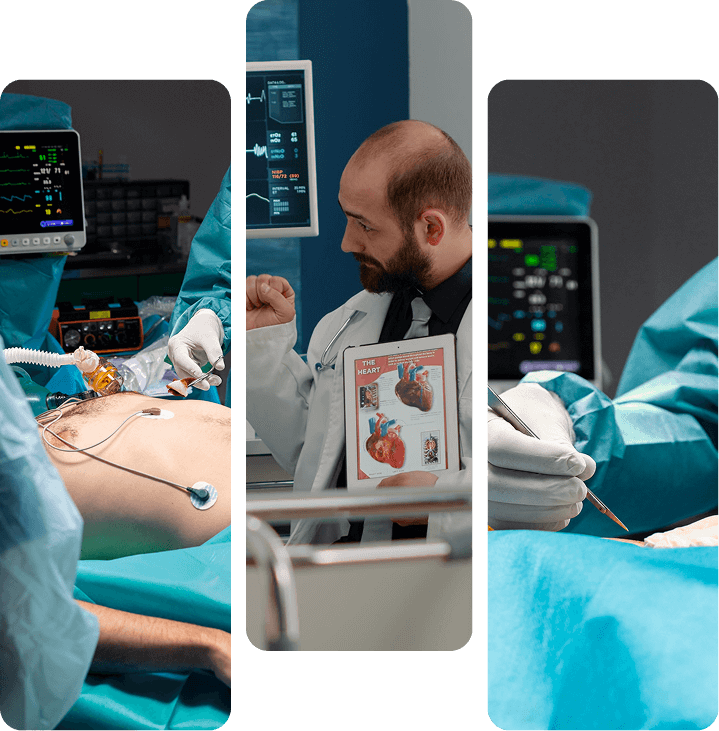
During the procedure, the doctor will apply a topical anesthetic cream over the area of varicose veins. The site of catheter insertion is numbed by a local anesthetic agent. Your doctor uses an ultrasound probe to view and track the procedure in the enlarged vein. Under the guidance of ultrasound, a catheter is inserted through a small incision in the skin and is positioned into the abnormal vein. A radiofrequency electrode is then moved through the catheter exposing the tip of the electrode at the site to be treated. After injecting the area of abnormal vein with local anesthetic, radiofrequency energy is applied at the site to seal the vein. Your doctor will apply pressure to prevent bleeding and the incised opening is covered with a bandage.

01

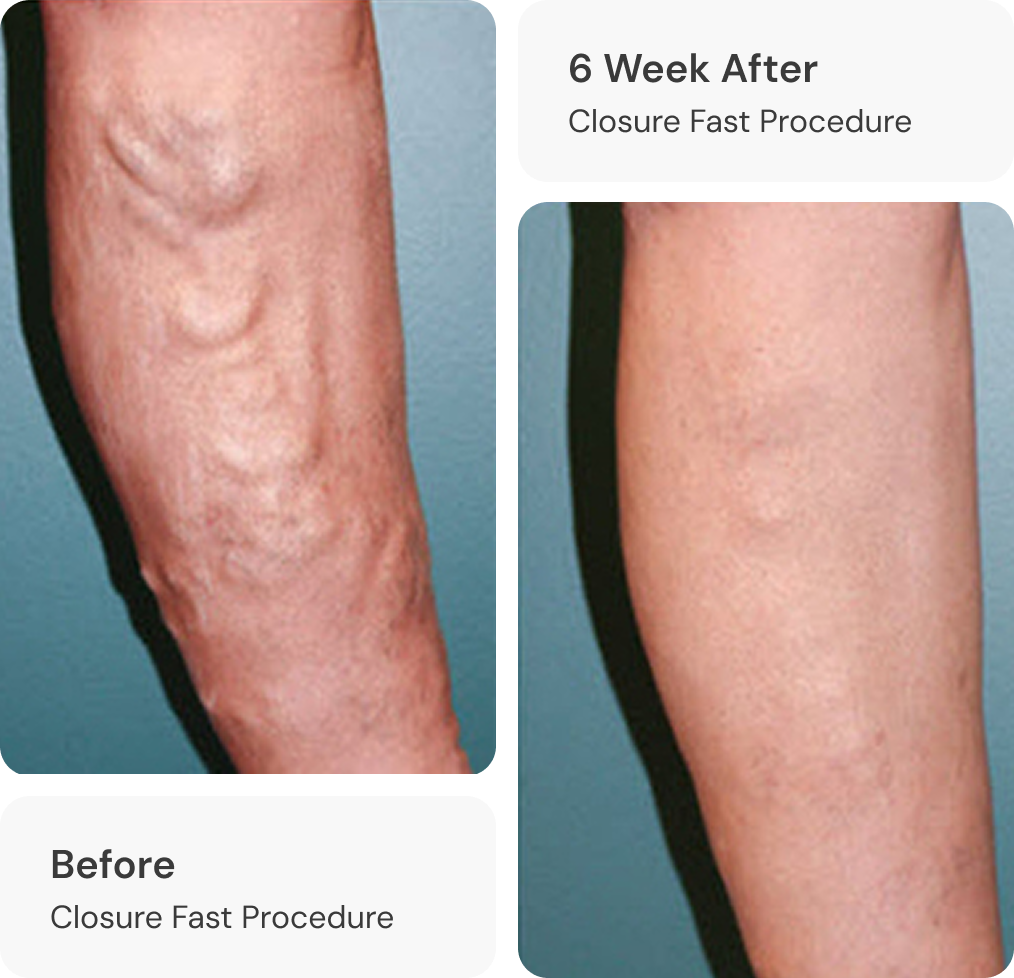
ClosureFast Procedure

02

VenaSeal Closure System

Post-procedural Care

Following the procedure, you may have to wear compression stockings to avoid formation of blood clots and to reduce bruising and tenderness. You can resume normal activities immediately. Avoid air travel and sitting for long periods during the healing phase. Ultrasound examination may be recommended during follow-ups for monitoring the treated veins and its results.  
Potential Side Effects

Risks & Complications

As with any procedure, endovenous radio-frequency ablation involves minor risks and complications. They include:
Key Strengths

Advantages

Advantages of endovenous radio-frequency ablation include:
It is difficult to treat twisted veins with endovenous radio-frequency ablation. The procedure is useful in treating only large varicose veins. Additional procedures such as phlebectomy or sclerotherapy may be used to treat small branched veins after ablation.
Additional Resources

Related Links

Explore trusted tools, guides, and links to support your Medicare and healthcare journey.
Cardiac Catheterization
Rotational Atherectomy
EKG, Holter Monitor, and Event monitor testing for arrhythmias
Complex Coronary Angioplasty and stent placement
Carotid Intervention
Varicose Vein Ablations
Percutaneous Coronary Angioplasty
Permanent Pacemaker
Cardiac Ultrasound Services
Pacemaker, ICD follow up, monitoring, and reprograming
Renal Artery Intervention